Raising Trustees, Not Products
A Foundational Question
What if children are not empty vessels to be filled, but souls entrusted to be guided?In much of the modern world, education is shaped by markets, metrics, and competition. Children are often prepared for productivity before they are nurtured in purpose.
In the Islamic worldview, a child is an amānah (trust)—born upon fiṭrah, an innate disposition toward truth, goodness, and meaning.
“Every child is born upon the fiṭrah…”
(Ṣaḥīḥ al-Bukhārī & Muslim)
Our approach to education begins with protecting this fiṭrah, not overriding it.
🧭 Our Educational Intention
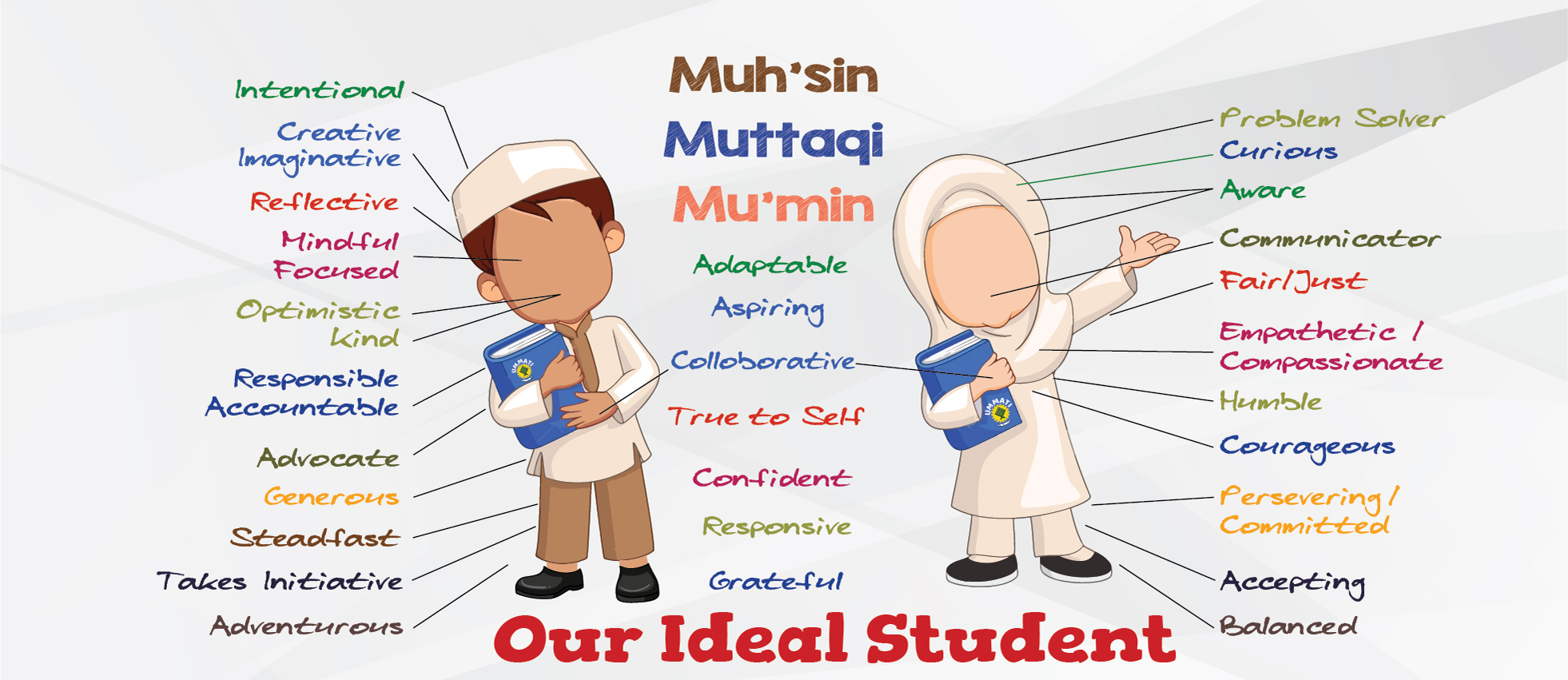
What kind of human being are we trying to raise?We seek to nurture children who are:
- God-conscious without fear
- Grounded without rigidity
- Curious without arrogance
- Capable without exploitation
- Compassionate without weakness
We do not aim to:
- Mass-produce conformity
- Accelerate childhood
- Indoctrinate ideology
- Reduce learning to credentials
Education, in this vision, is about becoming, not merely achieving.
🤲 The Child in the Islamic Worldview
How does Islam see a child?A child is:
- Spiritually dignified
- Gradually accountable
- Emotionally deserving of mercy
- Intellectually curious
The Prophet ﷺ:
- Played with children
- Listened to them
- Adjusted religious practice for their comfort
Any education that neglects mercy, dignity, and patience is not prophetic.
🔄 Learning as a Way of Life
What if learning was not confined to classrooms?In this eco-community vision:
- Nature is a classroom
- Work is instruction
- Elders are teachers
- Daily life is curriculum
Children learn by:
- Observing prayer, not memorizing routines
- Growing food, not only reading about sustainability
- Witnessing fairness, not being lectured about justice
Learning is integrated, not compartmentalized.
🌿 Developmental Stages (A Gentle Framework)
Early Childhood (0–7): Love & Safety- Emotional security
- Play and imitation
- Story, rhythm, presence
No pressure.
No performance expectations.
- Manners and ethics
- Practical skills
- Gradual discipline
- Moral reasoning
Learning through participation, not instruction alone.
Adolescence (14+): Meaning & Agency- Purpose and accountability
- Questioning and reflection
- Service and contribution
Youth are not controlled—they are trusted.
📖 Qur’an & Islamic Learning
How do we teach Islam without suffocating faith?We approach Islamic learning as:
- Guidance, not coercion
- Meaning before memorization
- Wisdom before rule-enforcement
Children are encouraged to:
- Ask questions
- Reflect deeply
- Express uncertainty respectfully
Faith that is allowed to breathe becomes rooted.
🌍 Relationship with Nature
What happens when children grow up knowing where food comes from?Children engage with:
- Planting and harvesting
- Caring for animals
- Observing seasons and limits
This nurtures:
- Gratitude
- Patience
- Responsibility
The Earth is treated not as a resource, but as a trust.
🛠️ Work, Skills & Dignity
What if no ethical work was considered “lesser”?Children are exposed to:
- Cooking and cleaning
- Repair and craft
- Farming and caregiving
All ethical work is dignified.
This builds:
- Self-respect
- Independence
- Respect for labor
⚖️ Technology & Media
Does convenience outweigh consciousness?Technology is used:
- Intentionally
- Age-appropriately
- Purpose-driven
We resist:
- Passive consumption
- Attention fragmentation
- Early dependency
Children first learn:
- Presence
- Patience
- Human connection
🌾 Assessment & Growth
How do we know education is working?We do not measure success primarily by:
- Grades
- Rankings
- Comparison
We look for:
- Emotional regulation
- Moral clarity
- Willingness to serve
- Love of learning
Certificates may come later—character comes first.
🧑🤝🧑 Parents, Educators & Community
Who is responsible for raising a child?Islam teaches:
“Each of you is a shepherd, and each of you is responsible for your flock.”
Education is collective & shared responsibility:
- Parents are primary guides
- Educators are facilitators
- Community is support
Moral responsibility is not outsourced.
🛡️ Safeguards Against Indoctrination
We explicitly commit to:
- No political grooming
- No ideological coercion
- No leader-worship
- No isolation from wider society
Children are taught how to think, not what to think.
🕊️ Current Stage: What This Looks Like Now
At this foundational stage:
- Parenting circles
- Reflection and dialogue
- Skill-sharing
- Observation before structure
There are no formal schools yet, and no compulsory systems.
🌅 Future Possibilities (If Grounded & Ethical)
- Learning hubs rather than rigid schools
- Mixed-age mentorship
- Apprenticeships and service learning
- Optional certification pathways
All structures remain revisable, never frozen.
🪞 A Closing Reflection
What kind of ancestors do we want to be?Children may forget what we taught them,
but they will remember:
- How we treated them
- Whether we listened
- Whether we lived what we preached
Education is not about control.
It is about trusting the fiṭrah and guiding it gently.
Learning Rooted in Life, Not Timetables
🌳 A Foundational Question
What if curriculum was not something imposed on children, but something uncovered with them?In this eco-community vision, curriculum is:
- A direction, not a cage
- A companion, not a controller
- A living map, revised with wisdom
We reject rigid, age-segregated, factory-style schooling.
We embrace developmental readiness, curiosity, and responsibility..
🧱 Guiding Principles
All curriculum flows from five principles:
- Fiṭrah-Centered – aligned with innate goodness
- Integrated – no artificial split between sacred and worldly
- Experiential – learned through doing and reflecting
- Relational – rooted in people, not systems
- Purpose-Driven – connected to service and meaning
Children are taught how to think, not what to think.
🧩 CORE LEARNING DOMAINS (ALL AGES)
These domains are continuous, not grade-bound.
-
❤️🔥 FAITH, MEANING & CHARACTER (Īmān & Akhlāq)
Focus:- God-consciousness (taqwā)
- Sincerity (ikhlāṣ)
- Gratitude, patience, humility
- Moral reasoning
- Qur’anic stories & reflection
- Daily lived examples
- Conversations, not sermons
- Modeling by adults
A child who connects actions to meaning.
-
📜 QUR’ANIC LITERACY (HEART BEFORE TONGUE)
Focus:- Love of Qur’an
- Meaning before memorization
- Reflection (tadabbur)
- Listening & recitation
- Small memorization naturally
- Discussing verses in life context
- Connecting Qur’an to nature & ethics
Qur’an as guidance, not burden.
-
🗣️ LANGUAGE, THINKING & EXPRESSION
Focus:- Clear communication
- Listening deeply
- Asking good questions
- Multilingual appreciation (where possible)
- Storytelling
- Reading circles
- Journaling
- Oral expression
Confidence without arrogance.
-
🔢 NUMERACY & LOGICAL THINKING
Focus:- Practical mathematics
- Problem-solving
- Patterns in nature
- Measuring land
- Trade calculations
- Cooking, building, budgeting
Math as tool, not fear.
-
🍃 NATURE, ECOLOGY & STEWARDSHIP
Focus:- Earth as amānah
- Cycles, limits, balance
- Gardening
- Animal care
- Observing seasons
- Environmental ethics
Responsibility replaces entitlement.
-
🧺 LIFE SKILLS & WORK ETHICS
Focus:- Self-reliance
- Dignity of labor
- Service
- Cooking, cleaning
- Repair, crafts
- Helping elders
- Cooperative tasks
Competence and humility.
-
✨ ART, CREATIVITY & BEAUTY (Iḥsān)
Focus:- Beauty as worship
- Expression without vanity
- Calligraphy
- Craft
- Poetry
- Design from nature
Creativity rooted in meaning.
-
⚖️ SOCIAL AWARENESS & JUSTICE
Focus:- Fairness
- Empathy
- Responsibility
- Conflict resolution
- Cooperative decision-making
- Exposure to diverse people
Justice without hostility.
👁️ ASSESSMENT (WITHOUT GRADES)
We assess through:- Observation
- Dialogue
- Reflection
- Service participation
- Are they becoming kinder?
- Are they more responsible?
- Are they curious?
- Are they aware of Allah?
⏳ CURRENT PHASE APPLICATION
Right now:- Parenting circles
- Skill-sharing
- Story-based learning
- Observation over structuring
Future forms remain open and revisable.
🔓 From Obedience to Responsibility
A Foundational Question
What if youth are not problems to control, but trusts to empower?Adolescence in Islam is not an inconvenience—it is a threshold of moral agency.
Youth are:
- Capable of sincerity
- Hungry for meaning
- Sensitive to hypocrisy
They leave when not trusted.
They rebel when silenced.
They flourish when guided with dignity.
🔍 Our View of Youth
We do not see teens as:
- Children to be managed
- Risks to be contained
- Followers to be molded
We see them as:
- Emerging moral agents
- Contributors in training
- Questioners by design
The Prophet ﷺ entrusted youth with responsibility—not control.
🤝 MENTORSHIP OVER DISCIPLINE
Why mentorship, not authority?Rules without relationships produce rebellion.
Mentorship builds:
- Trust
- Accountability
- Belonging
Mentors are:
- Present, not distant
- Honest, not performative
- Consistent, not controlling
🧭 CORE AIMS OF YOUTH MENTORSHIP
- Meaning before obedience
- Responsibility before freedom
- Belonging before correction
- Service before leadership
🏛️ PILLARS OF YOUTH DEVELOPMENT
-
🧑 IDENTITY & PURPOSE
Youth are supported to ask:- Who am I?
- Why am I here?
- What does Allah expect of me?
Not rushed.
Not answered for them. -
🌊 FAITH THAT CAN WITHSTAND QUESTIONS
We allow:- Doubt
- Questioning
- Struggle
- Shame-based faith
- Fear-driven obedience
Faith that survives honesty becomes resilient.
-
🧰 WORK, SERVICE & CONTRIBUTION
Youth are:- Given real responsibility
- Trusted with tasks
- Included in decisions
- Self-worth
- Accountability
- Belonging
-
🕯️ ETHICS, RELATIONSHIPS & ADAB
Youth are guided in:- Conflict resolution
- Emotional regulation
- Gender interactions with dignity
- Respectful disagreement
Adab is lived, not lectured.
-
📡 TECHNOLOGY & MODERN REALITIES
We address:- Social media
- Identity pressures
- Addiction risks
- Digital ethics
Open discussion > prohibition without explanation.
🪜 ROLE OF THE MENTOR
A mentor is:- Not a preacher
- Not a controller
- Not a savior
- A consistent adult
- A moral mirror
- A safe listener
🚫 WHAT YOUTH ARE NOT FORCED INTO
- Leadership titles
- Public religiosity
- Ideological activism
- Permanent commitments
Belonging precedes obligation.
🌄 FUTURE POSSIBILITIES
- Apprenticeships
- Mentorship circles
- Service-based learning
- Optional vocational paths
All revisited regularly.
🪞 CLOSING REFLECTION
What kind of adults will youth become if we trust them before they earn it?Youth do not need perfection from adults.
They need integrity.
If we live truthfully,
they will learn quietly.